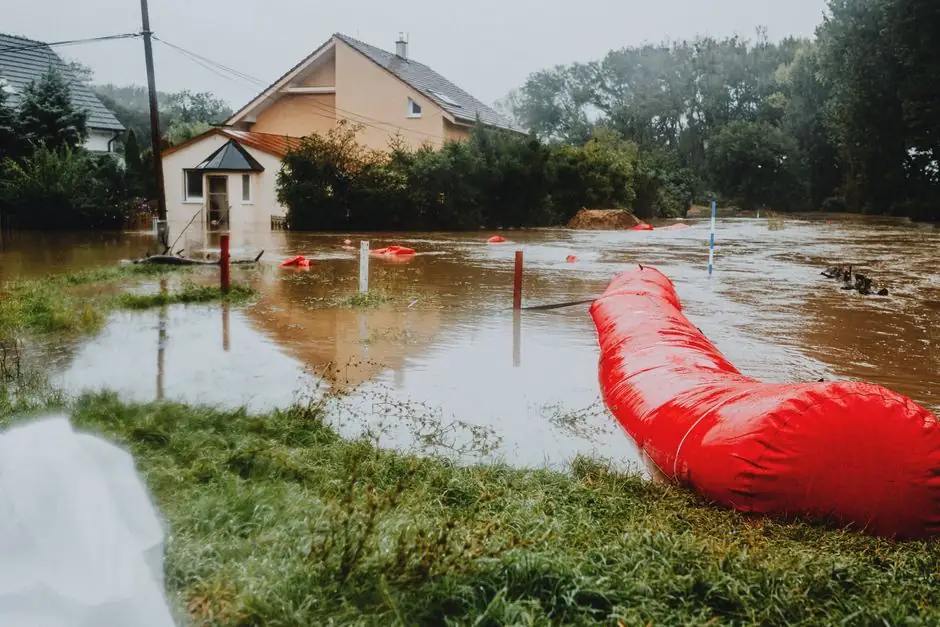
Basement flooding is a common issue for many homeowners in Chicago, especially during heavy rains or melting snow. Understanding the reasons behind this problem can help you take preventive measures. This article will explore the common causes of basement flooding in Chicago, signs to watch for, effective solutions, and when to call for professional help.
Common Causes of Basement Flooding
Several factors contribute to basement flooding in Chicago. Recognizing these causes can help you address potential issues before they escalate. Here are the most common reasons:
- Heavy Rainfall: Chicago experiences significant rainfall, particularly in spring and summer. Excessive rain can overwhelm your drainage system.
- Melting Snow: The winter months can lead to snow accumulation. As temperatures rise, melting snow can seep into basements.
- Groundwater Levels: High groundwater levels can push water into your basement. This is especially common in areas with clay soil.
- Improper Grading: If your yard slopes towards your home, water will flow into your basement rather than away from it.
- Blocked Gutters: Clogged gutters can cause water to overflow and pool around your foundation, leading to basement flooding.
- Foundation Cracks: Cracks in your foundation can allow water to enter your basement during heavy rain.
Signs of Basement Flooding
Being aware of the signs of basement flooding can help you take action before the situation worsens. Look for these indicators:
- Water stains on walls or floors.
- Mold or mildew growth.
- Musty odors.
- Peeling paint or wallpaper.
- Increased humidity levels.
Preventing Basement Flooding
Prevention is key when it comes to basement flooding in Chicago. Here are some effective strategies:
- Maintain Gutters: Clean your gutters regularly to ensure proper drainage.
- Install a Sump Pump: A sump pump can help remove water from your basement quickly.
- Improve Grading: Ensure your yard slopes away from your home to direct water away from the foundation.
- Seal Foundation Cracks: Inspect and seal any cracks in your foundation to prevent water entry.
- Use Waterproofing Products: Consider applying waterproofing sealants to your basement walls.
If you find yourself dealing with persistent issues, consider exploring basement flooding solutions to address the problem effectively.
Emergency Solutions for Flooded Basements
In case of an unexpected flood, quick action is crucial. Here are steps to take:
- Turn Off Electricity: If water is present, turn off the electricity to prevent electrocution.
- Remove Water: Use a wet/dry vacuum or call for emergency water extraction services to remove standing water.
- Dry the Area: Use fans and dehumidifiers to dry out the space after water removal.
- Document Damage: Take photos for insurance claims.
For serious flooding situations, contacting professionals for water damage restoration can save you time and money in the long run.
Common Mistakes to Avoid
When dealing with basement flooding, homeowners often make mistakes that can worsen the situation. Here are some common pitfalls:
- Ignoring small leaks or moisture issues.
- Failing to maintain gutters and downspouts.
- Neglecting to check for foundation cracks.
- Not having a sump pump installed in high-risk areas.
- Delaying professional help when needed.
When to Call a Professional
If you find that your basement flooding issues persist despite your efforts, it's time to call in the experts. Water Damage Restoration Chicago offers comprehensive services to address your flooding concerns. They can assess the damage, provide effective solutions, and help restore your basement to its original condition.
Frequently Asked Questions
What causes basements to flood in Chicago?
Basements in Chicago can flood due to heavy rainfall, melting snow, high groundwater levels, improper grading, blocked gutters, and foundation cracks.
How can I stop my basement from flooding?
To prevent basement flooding, maintain your gutters, install a sump pump, improve yard grading, seal foundation cracks, and use waterproofing products.
What to do during basement flooding in Chicago?
During basement flooding, turn off electricity, remove water using a wet/dry vacuum or professional help, dry the area, and document the damage for insurance purposes.
How can I identify signs of basement flooding?
Signs of basement flooding include water stains, mold growth, musty odors, peeling paint, and increased humidity levels.
When should I call a professional for flooding issues?
If flooding persists despite your preventive measures or if the damage is extensive, it's advisable to contact a professional for assistance.
Get help with Water Damage Restoration in Chicago
If you're dealing with basement flooding, don't hesitate to reach out for help. Contact us at Water Damage Restoration Chicago for expert assistance in resolving your water damage issues.
Call us today at +17089070270 for immediate support!